
CNC milling is now a vital technology for product development, manufacturing, and prototyping. Plastics, particularly ABS , are just as significant as metals like steel,brass and aluminium, which frequently take centre stage in discussions. Because ABS is lightweight, affordable, long-lasting, and simple to form, it is utilized extensively. It can be found in toys, consumer electronics, medical equipment, automobile parts, enclosures, and even aircraft prototypes.
Because ABS is soft engineering plastic material, inexpensive, and widely used, CNC milling it might seem simple, but producing reliable, high-quality results involves much more than just operating a machine. ABS has unique problems that require careful consideration and expertise, including as heat sensitivity, dimensional instability, and chip-related problems. Understanding ABS’s thermoplastic behavior and developing machining techniques to preserve stability, accuracy, and surface quality throughout the process are essential to mastering the material.
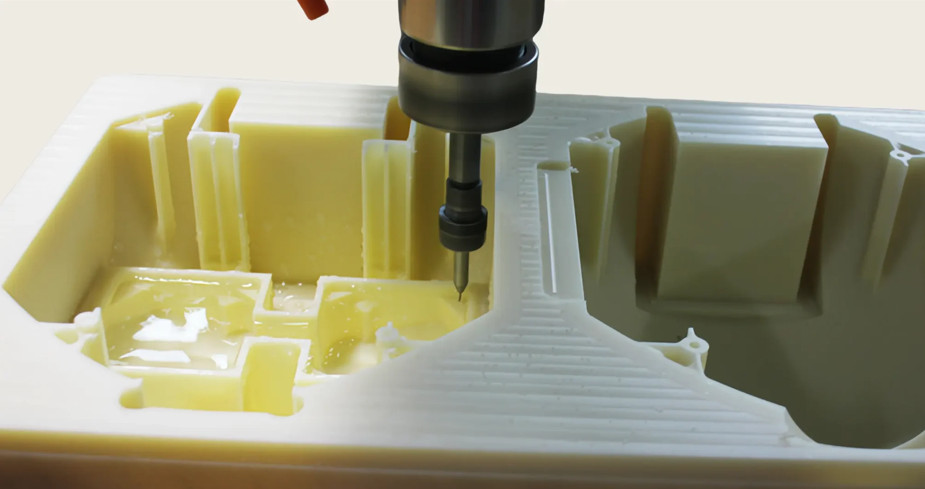
Understanding ABS machining
ABS machining is more complicated than it appears at first. ABS has its own engineering problems, such as melting, warping, chipping, dimensional instability, and surface polish problems, while being softer than metals. For ABS to be successfully CNC milled, the proper tools, setups, parameters, and operator skills are required. The machinist’s skill set is important in addition to the technical specifications. Reliable results are based on a combination of deep understanding of polymer behavior, good CAM programming skills, familiarity with adaptive machining processes, and the capacity to identify and resolve on-machine problems. ABS, in contrast to metals, necessitates ongoing precision, heat control, and minute modifications that can only be learned and practiced.
This technical content covers the main obstacles, recommended practices, and technical know-how required to achieve excellent outcomes when CNC milling ABS plastic.
1.Knowing ABS Plastic: The Reasons Behind Its Distinct Behavior
The components of ABS, an engineered thermoplastic, are:
- Acrylonitrile: Provides stiffness and resilience to chemicals
- Butadiene: Enhances durability and impact resistance
- Styrene provides gloss and moldability.It has a melting point of 210–240°C, which is significantly lower than that of metals. Heat control is crucial because of the direct impact this low melting point has on machining behavior.
Important Factors Influencing Machining
Flexibility and softness: More likely to distort when clamping
Poor chip evacuation: Gumming and melting are caused by a low melting point.
Dimensional errors: It is caused by thermal expansion.
Reduced rigidity: Under tool pressure, it may shake, clatter, and deflect
Before machining ABS, operators can set realistic expectations by understanding these basics.
2.The Difficulties of ABS Milling
ABS is simple to mold and 3D print, but CNC milling is a different matter. The following are the most typical difficulties:
2.1 Melting and Heat Buildup
Controlling the temperature is the most challenging aspect of milling ABS. Heat buildup causes the material to melt or soften, which can lead to:
- Chips that stick
- Clogging of the tool
- Inadequate surface polish
- Dimensional errors
Inadequate chip evacuation or high spindle speeds are the main sources of heat.
2.2 Warping of Workpieces
ABS is susceptible to deformation when subjected to mechanical force or heat.
Warping may happen:
- When cutting aggressively
- When taking down thin walls
- Because of incorrect fixturing
- from imbalanced stressors within
- Poor assembly fit and erroneous dimensions are the results of warping.
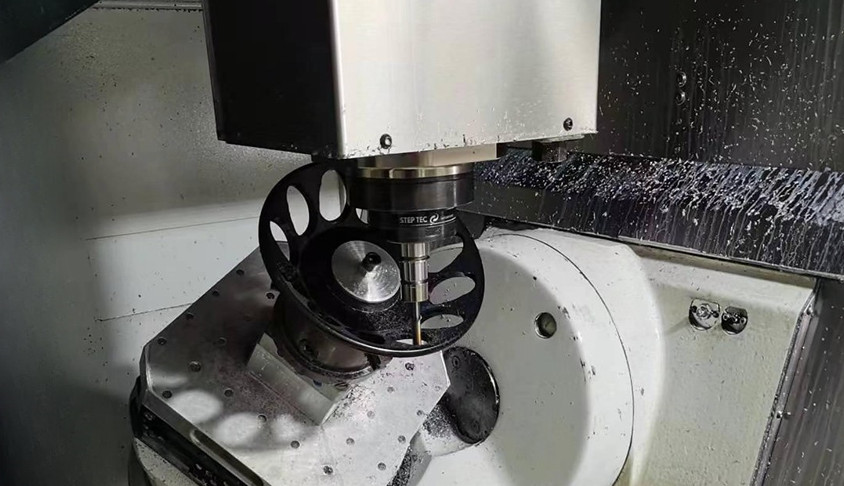
2.3 Chipping and Burring
ABS creates stringy chips that, in contrast to brittle plastics, can:
- Encircle the instrument.
- Melted and deposited on the surface
- Make the edges fuzzy.
- Harm the part’s finish
It’s crucial to keep your equipment sharp and to evacuate chips properly.
2.4 Deflection of Tools
Because ABS is soft, machinists frequently push the tools harder, believing that cutting it will be simple.However, pushing too quickly results in:
- Flexing a tool
- Dimensional mistakes
- Marks of chatter
- Either overcutting or undercutting
- Instability results from a combination of strong cutting forces and low material stiffness.
2.5 Instability in Dimensions
ABS greatly expands as the temperature rises.
A temperature change of even a few degrees can result in:
- Drift in hole size
- Variations in thickness
- Deformities of slots
- Problems with tolerance in built components
For this reason, precise temperature control is essential for milling.
3.Best Practices: Practical Advice for Milling ABS Plastic
A deliberate strategy is necessary to overcome the difficulties associated with ABS milling.
Here are the best, tried-and-true methods.
3.1 Make Use of Sharp Instruments, Ideally Single-Flute Cutters
Performance is significantly impacted by the tool selection. ABS benefits greatly from single-flute end mills since they:
- Reduce the amount of heat
- Remove chips more effectively.
- Cut down on melting
- Make the edges cleaner
- Additional tool suggestions:
For vigorous chip evacuation in deep pockets, use up-cut end mills.When milling thin sheets, use down-cut end mills to provide clean upper edges.Fluffle instruments that have been polished to reduce friction .Never use worn tools since the material will heat up quickly on dull edges.
3.2 Increased Feed Rate, Reduced Spindle Speed
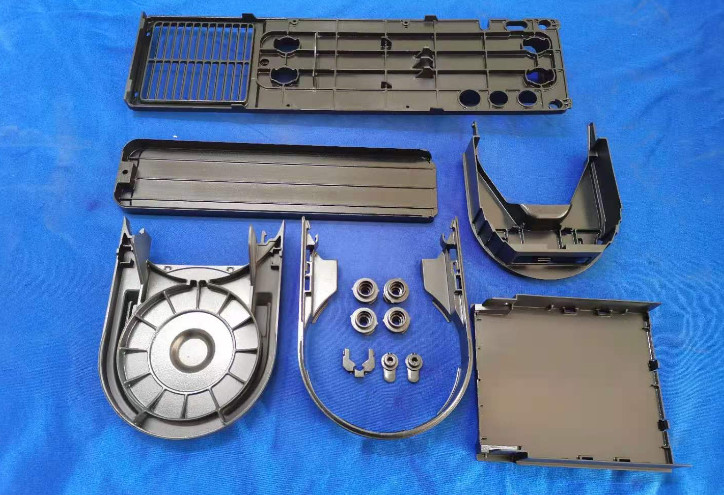
For plastics, conventional wisdom states: Slow pace, fast feed. Why? because high feeds aid in the speedy removal of chips and lower spindle RPM lowers heat.
Suggested initial parameters:
- RPM range for the spindle: 8,000–12,000
- Rate of feeding: 1000–2500 mm/min
- DOC (depth of cut): 0.5–2 mm
- 20–40% of the tool diameter is the step-over.
- Adapt based on tool size and stiffness.
3.3 Maintain Workpiece Coolness
It’s crucial to cool down when Machining ABS.
Utilize:
- Air blast is the greatest choice.
- Mist coolant (if used sparingly, safe)
- Using vacuum extraction to remove chips
- Using a continuous air stream during dry machining
- Avoid using flood coolant as it might lead to warping and chemical absorption.
3.4 Correct Clamping and Fixturing
Because ABS can distort while under pressure, use:
- Gentle jaws
- Beds with vacuum
- Two-sided tape
- Clamps with low pressure
To reduce vibration, make sure the part is supported uniformly. Vacuum tables work quite well for huge sheets.
3.5 Start Rough, Then Complete
Use a two-step machining approach at all times:
First Step: Roughing
- Quickly remove bulk stuff.
- Leave a stock of 0.2–0.4 mm.
Second Step : Completing
- Employ sharp implements.
- Make very light passes.
- Reduce the speed and feed a little.
This prevents melting and produces a smooth, polished appearance.
3.6 Toolpath Strategy for Control
Accuracy and heat are impacted by toolpath choices.
Suggested:
- Adaptive clearing to lessen the burden on the tool
- Climb milling to enhance the quality of the edges
- Techniques for high-speed machining (HSM) that guarantee constant tool engagement
- Steer clear of abrupt direction changes that could make the tool rub rather than cut.
3.7 Avoid Rewelding Chips
Because ABS chips are sticky, make sure you always:
- Chip evacuation that never stops
- Chips blown by the air
- At the nozzle, compressed air
- Regular cleaning throughout extended operations
This avoids surface damage and keeps the flutes free.
4.Crucial Technical Proficiencies for ABS Machinists
Understanding material behavior, cutting parameters, and machine knowledge are all necessary for CNC milling ABS. The following are the fundamental abilities a machinist has to have:
4.1 Comprehending Polymer Behavior
- In contrast to metals, polymers
- Flex
- Heat more quickly
- Extend farther
- react to cutting pressure in different ways.
A machinist needs to understand how temperature impacts ABS and how to keep it stable.
4.2 Proficiency with Tool Selection
Selecting:
Accurate number of flutes
Material for the tool (carbide preferable)
Coating (polished or unpolished instruments)
Tool geometry
It is essential to guaranteeing precise cutting.
4.3 Cutting Parameter Mastery
Machinists need to be able to set:
RPM
Rate of feed
Cut depth
Step-over
Strategies for entry and exit
Melting or distortion might result from a tiny error.
4.4 Skills for Fixturing and Workholding
Due to ABS’s flexibility, a thorough understanding of fixturing procedures is required:
Clamping with a vacuum
Design of a soft jaw
Decisions about workpiece orientation
Careful clamping is necessary to prevent distortion in even the simplest elements.
4.5 Proficiency in CAM Programming
Proficiency in CAM programming aids in:
Creating effective toolpaths
Adaptive clearing
Smoothly navigating corners
Reducing the buildup of heat
CAM expertise chooses the ideal ratio of speed to quality.
4.6 Methods for Surface Finishing
ABS calls for finishing methods like:
Light moves through
Shining
Painted
Plating
A thorough understanding of post-processing significantly improves quality.
4.7 Process optimization and troubleshooting
Expert machinists:
Recognize melting indicators
Modify the speed and feed.
Modify the toolpaths
Resolve vibration problems
Enhance the removal of chips
Repeatable quality is ensured by ongoing optimization.
5.CNC Milling vs Other Techniques for ABS Manufacturing
Compare CNC milling to other options to see where it stands:
5.1 Milling with CNC
Benefits:
High precision in dimensions
Sharp characteristics
Great for working ABS prototype
Strong mechanical qualities because of the solid block
Demands cautious heat control.
5.2 Molding by Injection
Ideal for large-scale manufacturing, but costly for prototyping because of mold costs.
5.3 ABS 3D Printing
Excellent for rapid prototypes, but:
Layer lines are discernible.
Anisotropic strength
There is less dimensional accuracy.
5.4 ABS Laser Cutting
ABS is typically avoided due to its extreme melting and harmful emissions.
When production-quality prototypes, strength, and precision are needed, CNC milling shines out.
6.Industries That Frequently Use ABS Machines
ABS is widely used in:
Electronic devices
Enclosures
Accommodations
Mounts
Automobile
Internal elements
The brackets
Switches
Medical
Casings for devices
Parts of lab equipment
Consumer Products
Playthings
Appliances for the home
The aviation industry
Prototypes that are lightweight
Fit-check models
ABS is one of the most adaptable plastics due to its affordability, durability, and ease of machining.
7.ABS Machined Parts Quality Inspection
To guarantee that components fulfill requirements:
7.1 Measurement Verifications
When precise tolerances are required, calipers, micrometers, or CMM are used.
7.2 Analysis of Surface Finish
Make sure:
Absence of melt marks
Absence of burrs
walls that are smooth
7.3 Testing for functionality
Verify:
Fit
Engagement of the fastener
Strength of snap-fit
7.4 Check for Temperature Stability
Analyze performance in the anticipated operational environment.
8.Typical Errors to Steer Clear of When ABS Machining
When using ABS, even experienced machinists might make mistakes. Steer clear of:
- Too high a running spindle speed
- Using tools that are worn out or unpolished
- Using too much clamping force
- Overuse of flood coolant
- Ignoring the accumulation of chips
- Creating thin, unsupported walls
- Making deep cuts that cause the part to heat up
- Longer tool life and consistent quality are ensured by avoiding these errors.
Conclusion: Using ABS to Achieve Superior CNC Milling Results
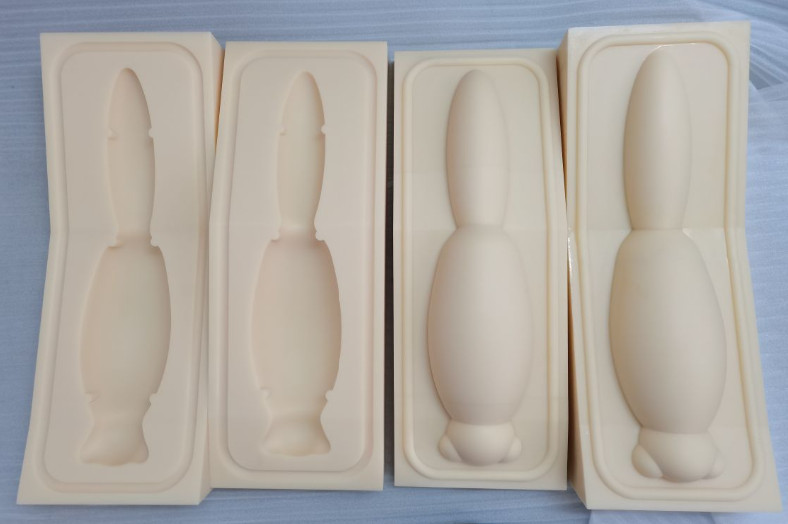
Due to ABS is a soft plastic, CNC milling it might seem easy, but it actually requires precise technical abilities, careful heat management, cutting strategy, and tooling choices. When properly managed, ABS can provide:
- Outstanding surface quality
- High precision in dimensions
- Robust functional components
- Quick prototypes
- Economical manufacturing
Machinists can reliably produce high-performance ABS components by understanding its challenges and adhering to recommended practices. Gaining proficiency in ABS CNC milling gives you a competitive edge in contemporary manufacturing, whether you’re creating enclosures, engineering prototypes, automobile parts, or consumer items. Choosing sharp, suitable tools, adjusting spindle speeds and feed rates to reduce heat accumulation, guaranteeing dependable chip evacuation, and employing controlled fixturing techniques to avoid deformation are the foundation of a successful CNC milling workflow for ABS. Every stage, from toolpath optimization to the use of specialized cooling techniques, contributes to preventing ABS from melting, warping, or losing its dimensional integrity. These methods increase operational efficiency and prolong tool life in addition to improving part quality.
One of the best techniques for creating precise, useful ABS components utilized in a variety of industries, including consumer electronics, medical equipment, and automobiles, is CNC milling. The ability to process ABS to a high standard is becoming increasingly valuable as modern manufacturing continues to advance. Manufacturers may fully utilize ABS and produce products that satisfy the highest requirements for performance, consistency, and durability by combining technical expertise, material understanding, and optimized processes.